In recent years, we have seen an excessive use of fillers: increasingly voluminous lips, oversized cheekbones, and exaggerated facial volumes. For a long time, this was the dominant trend in aesthetic medicine.
Today, however, something has changed.
More and more people are starting to wonder whether “more volume” really means “more beauty.” Most of the time, the answer is no. A different approach is emerging: less artificial, more natural.

Filler Fatigue: Less Volume, More Naturalness
The term filler fatigue is being used more and more often: a real sense of exhaustion with results that appear excessive and unnatural.
Today, many patients want to return to a more balanced aesthetic: subtle enhancements, respected proportions, and facial features that are enhanced without obvious transformations.
For this reason, there is also a growing demand for filler reduction or removal, as people seek to regain a more natural and authentic appearance.
Filler Migration
One of the main reasons behind this shift is filler migration, which occurs when hyaluronic acid moves from the area where it was injected to other areas that were not intended to be treated. This can happen for several reasons:
- excessive amounts of product
- too many repeated treatments over time
- individual tissue characteristics
- continuous movement in certain areas of the face
When this happens, the result is rarely pleasant and can lead to diffuse swelling, less defined contours, asymmetries, or an unnatural appearance—especially in delicate areas such as the lips and under-eye region.
Hyaluronidase
In these cases, it is possible to intervene with hyaluronidase, an enzyme that breaks down hyaluronic acid in a targeted way. This treatment makes it possible to:
- dissolve excess filler
- correct product accumulation and migration
- improve asymmetries and unsatisfactory results
- restore facial proportions and harmony
Thanks to hyaluronidase, filler treatments can be made reversible. However, this also increases the overall cost of treatments and may require patients to undergo multiple, sometimes painful sessions to dissolve the excess filler.
Microneedling as an Alternative
The solution is not always to add volume.
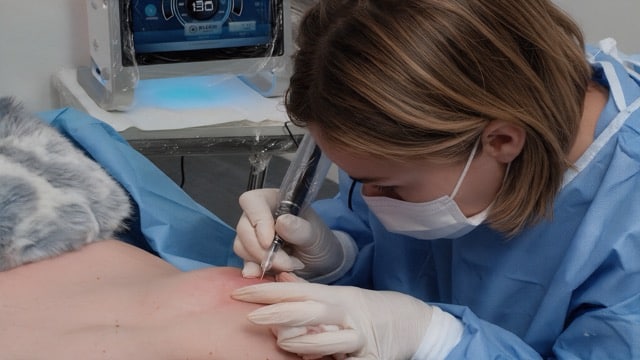
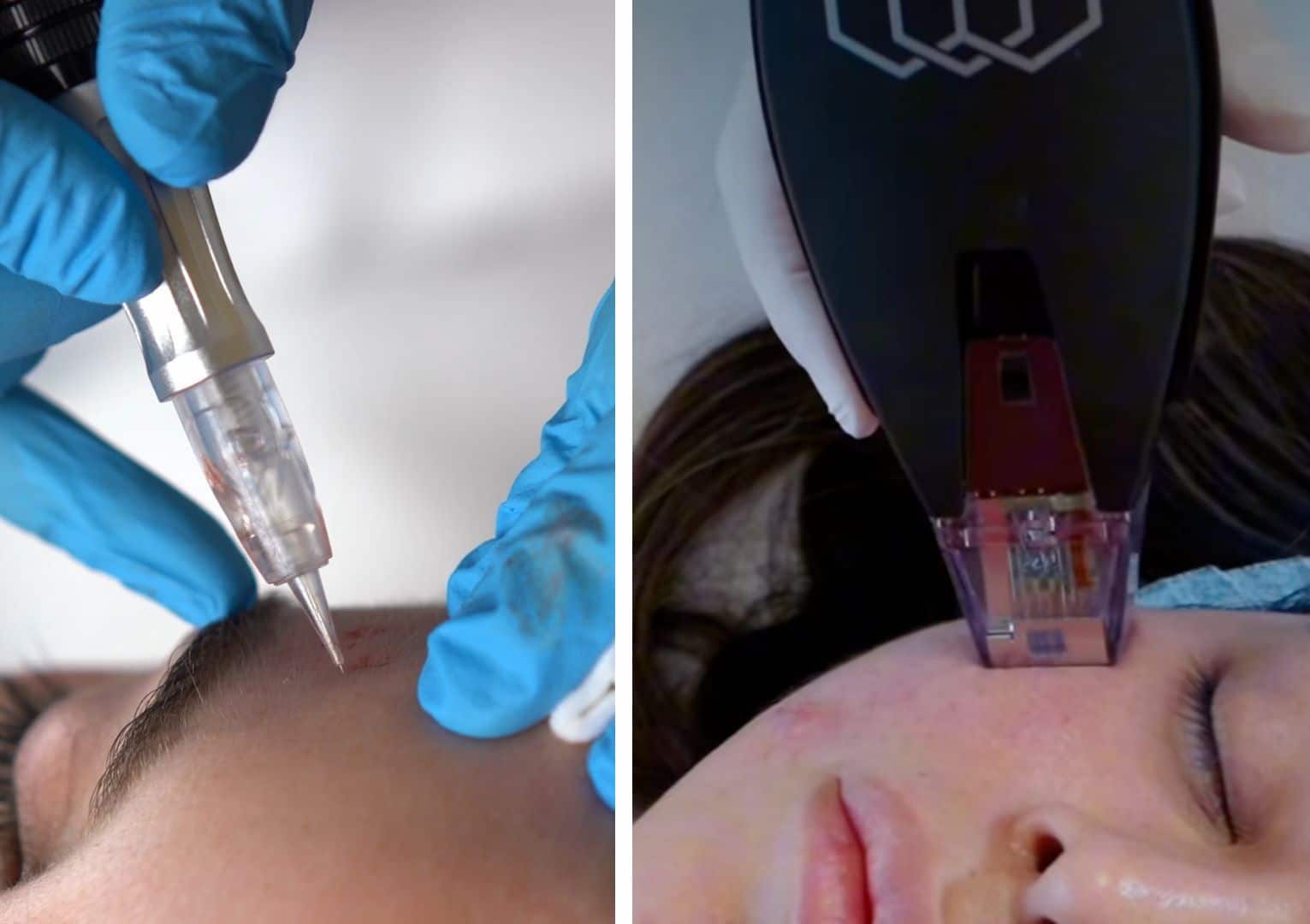
More and more people are choosing treatments that improve skin quality without altering the natural volumes of the face. One of the most requested is microneedling. This treatment uses micro-needles that stimulate the skin’s natural regeneration processes, promoting the production of collagen and elastin. Although microneedling does not create new volume, by stimulating a strong production of new collagen it can still improve the skin’s firmness. The visible result is therefore tighter skin, reduced laxity, less noticeable wrinkles, and a more toned and lifted appearance, with a completely natural effect.
This leads to benefits such as:
- firmer, more toned skin
- improved texture and radiance
- reduction of fine lines and acne scars
- less visible pores
- better absorption of active ingredients applied afterward
Unlike fillers, microneedling does not alter facial volumes.
The era of fillers is not over, but the philosophy is changing: more naturalness, harmony, and personalization. Modern aesthetic medicine aims to enhance the face through subtle refinements and regenerative treatments, promoting an authentic and sustainable form of beauty.