Sun damage
Summer means sun, sea, and more time outdoors. However, every exposure to UV rays leaves a mark on the skin, even when there are no visible sunburns.
Photoaging is one of the main causes of early skin aging. Although it is often linked to sunburn, UV damage is gradual and can appear even without clear visible signs at first.

Skin photoaging: the invisible damage
Many people associate sun damage with sunburn, but this is not always the case. UV rays penetrate the deeper layers of the skin, contributing to the breakdown of collagen and elastin, the proteins responsible for firmness and elasticity.
Over time, this process can lead to:
- fine lines and deeper wrinkles;
- loss of elasticity;
- dark spots on the skin;
- dull and dehydrated skin;
- uneven skin texture.
Even when there are no visible signs, biological damage may already be happening underneath the surface.
Why summer accelerates skin photoaging
During the summer months, the skin is exposed to several stress factors:
long exposure to UV rays;
heat and dehydration;
salt water and chlorine;
increased oxidative stress.
These elements affect skin quality and can speed up the aging process.
How to regenerate the skin after summer
Aesthetic medicine is increasingly focused on prevention and tissue regeneration. Among the most commonly used treatments to improve skin quality and reduce photoaging are:
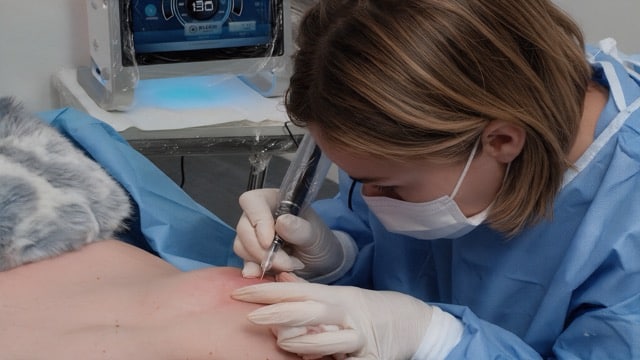
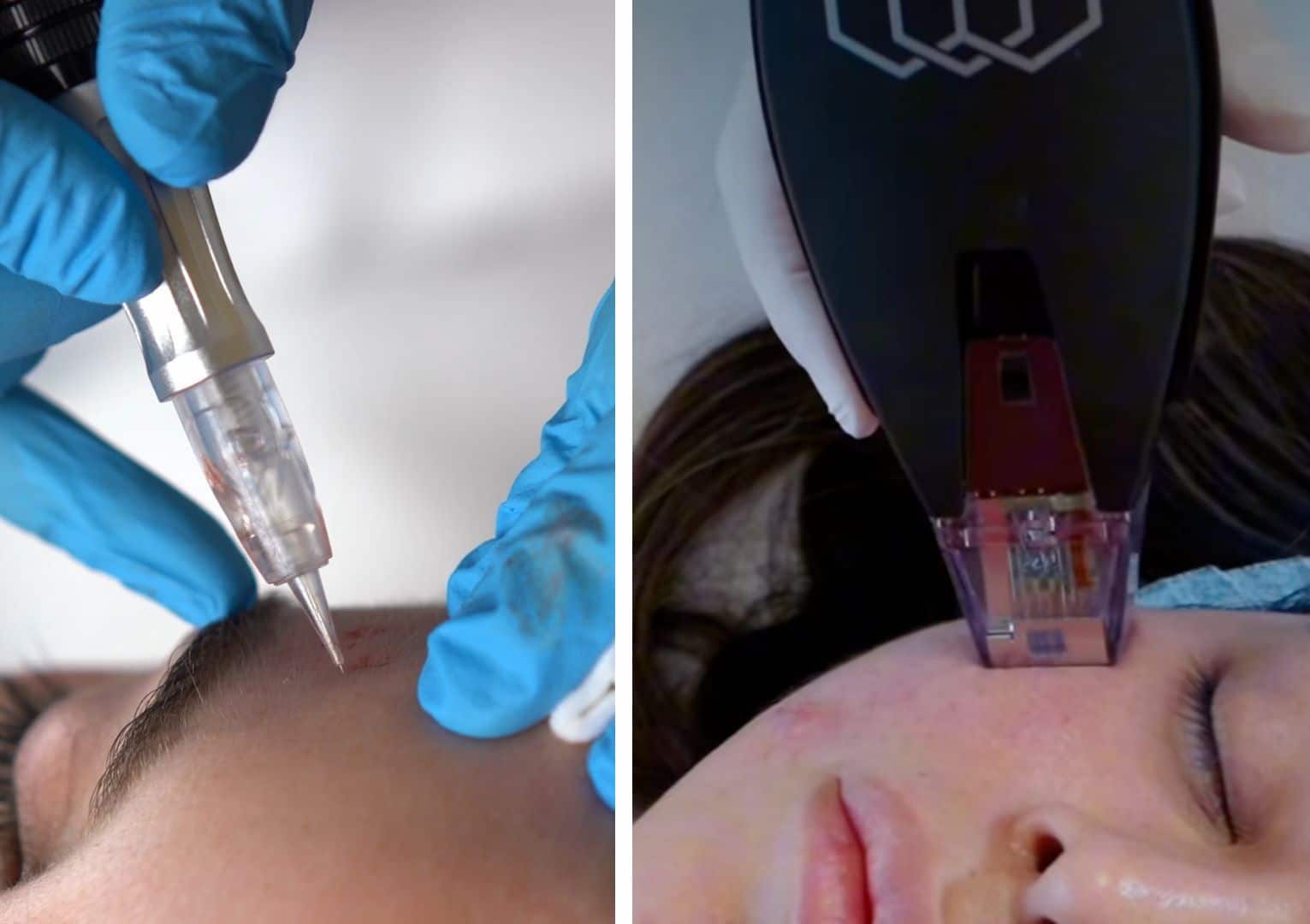
medical microneedling;
biostimulation;
fractional radiofrequency;
advanced regenerative protocols.
In particular, medical microneedling supports the natural production of new collagen through controlled micro-stimulation, helping to improve skin texture, firmness, and longevity.
When to start post-summer treatment
The end of summer and the beginning of autumn are the ideal time to act. With less sun exposure, the skin can better benefit from regenerative treatments and recover more effectively from the stress accumulated during the summer months.
Reducing skin photoaging means working not only on visible signs, but also on the biological processes that affect long-term skin quality.
For this reason, protecting the skin and using targeted regenerative strategies is essential.