PDRN and Biomimetic Peptides: A New Synergy in Aesthetic Medicine and Microneedling
The combination of PDRN and biomimetic peptides is gaining attention in regenerative aesthetic medicine. These ingredients may support different biological pathways involved in skin repair and renewal. In our previous article on the best PDRN for the face, we explored how polynucleotides support tissue regeneration. Now, researchers are exploring how these active ingredients may work together to improve skin quality.
But how do PDRN and biomimetic peptides work? And how can medical microneedling support professional skin treatment protocols?
Two Complementary Approaches to Skin Health
To understand the potential benefits of this combination, let’s look at how each ingredient works.
- PDRN: Polydeoxyribonucleotide (PDRN) contains DNA fragments that researchers study for their role in tissue repair and cell recovery. In addition, PDRN may help regulate inflammation and support processes involved in tissue regeneration.
- Biomimetic peptides: Peptides are short chains of amino acids. These amino acids form proteins such as collagen and elastin, which help maintain skin structure and elasticity. Biomimetic peptides mimic selected biological signals to target specific processes involved in skin repair and renewal.
Together, these ingredients offer an interesting approach to regenerative aesthetic medicine. However, their effects depend on the specific formulation and its clinical evidence.
Biomimetic peptides may offer several potential benefits:
- Targeted action: Certain peptides interact with specific cell receptors or biological pathways. As a result, they can target selected processes involved in skin function.
- Support for collagen production: Some peptides influence fibroblast activity. These cells produce collagen and other key components of the skin’s extracellular matrix.
- Improved stability: Manufacturers can design peptide structures to support stability and biological activity. However, performance varies according to the molecule and formulation.
Who can benefit?
The combination of PDRN and biomimetic peptides may support several skin-rejuvenation goals. The potential benefits depend on the active ingredients, their formulation and the treatment protocol.
- Skin biostimulation and collagen production: PDRN supports research into tissue repair and cellular recovery. Meanwhile, certain peptides may influence the pathways involved in collagen and elastin production. Together, these mechanisms may help support skin renewal.
- Dermal remodelling and tissue repair: These ingredients target different biological pathways that contribute to skin structure. Therefore, researchers are exploring their potential role in improving skin quality, firmness and the appearance of photoaged skin. They may also have a role in protocols for skin affected by post-acne scars.
- Fine lines and skin texture: Some biomimetic peptides have neuromodulatory properties. Manufacturers often describe certain examples as Botox-like peptides because they target pathways linked to facial muscle contraction. However, their effects differ from injectable botulinum toxin. Depending on the peptide, they may help soften the appearance of fine lines and improve skin texture.
Importantly, the proposed mechanisms of an ingredient do not automatically prove its clinical benefits. For this reason, healthcare professionals should assess the available evidence for each specific formulation.
Why Is Medical Microneedling Important?
The skin barrier limits the penetration of many topical ingredients. Factors such as molecular size, formulation and skin condition all affect how deeply an ingredient can penetrate. Therefore, topical application alone does not guarantee delivery to deeper skin layers.
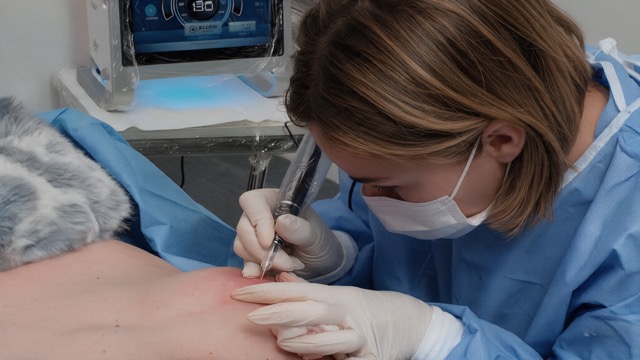
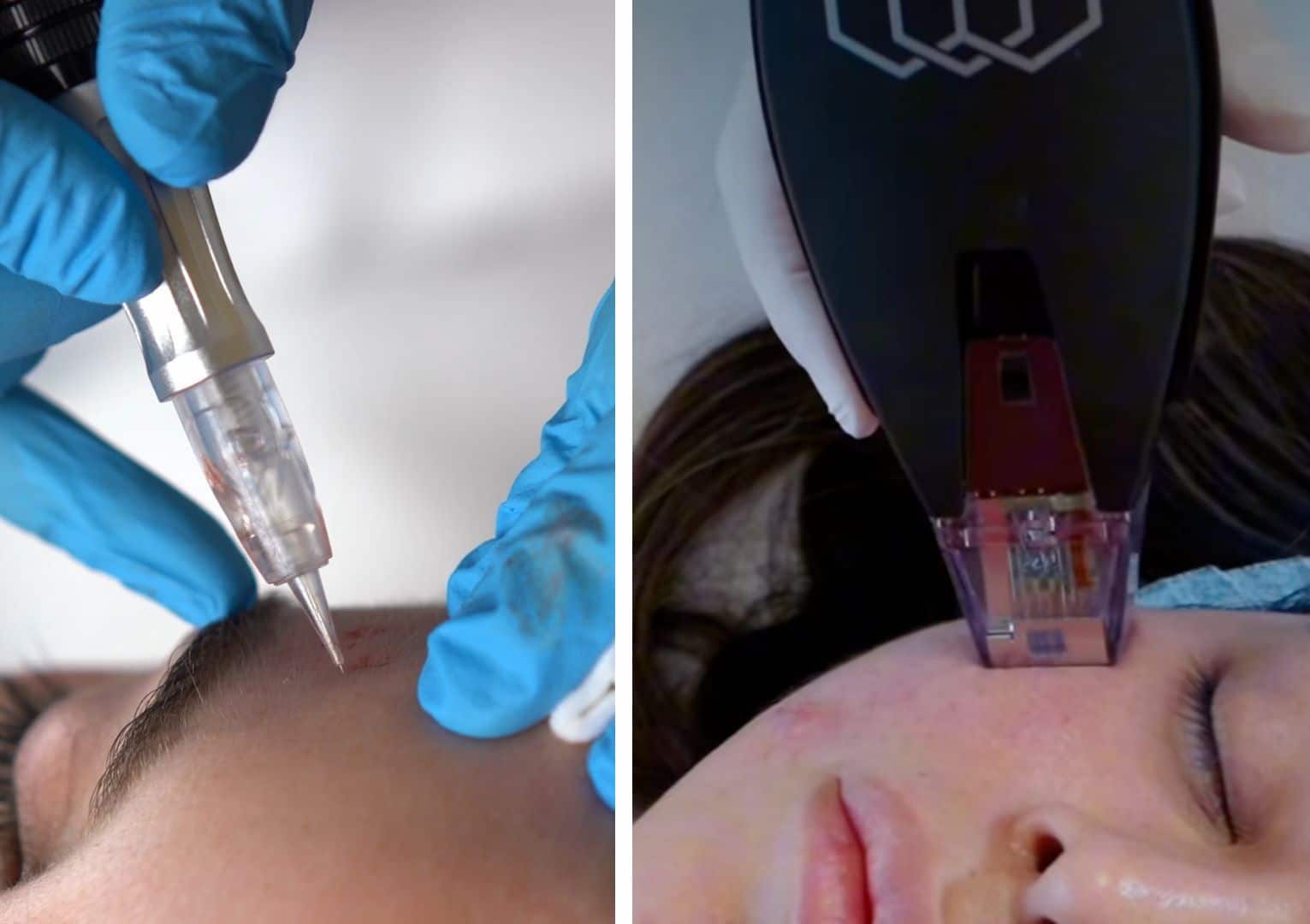
Medical microneedling offers a controlled approach to skin treatment. The device creates tiny channels in the skin and stimulates its natural wound-healing response. As a result, healthcare professionals can use microneedling as part of suitable professional treatment protocols.
The 1NEED Pro medical microneedling device combines controlled needle depth with technology designed to support precision and hygiene.
- Controlled needle depth: The patented PD/DS needle-stabilisation system helps maintain needle stability and consistent depth. Healthcare professionals can adjust the depth from 0.15 to 2.5 mm, according to the intended procedure and the device’s instructions for use.
- Stimulation of the wound-healing response: Microneedling creates controlled mechanical stimulation. This process activates the skin’s natural repair response and triggers biological processes involved in tissue remodelling.
- Technology designed for treatment safety: The patented NOFLOW® anti-backflow system helps prevent biological fluids from flowing back into the handpiece and cartridge connection. This feature supports infection-control measures during treatment.
However, healthcare professionals must carefully select topical products for use alongside microneedling. They should consider the product’s intended use, sterility, compatibility and instructions for use. Not every topical formulation suits application to microneedled skin.
Combining PDRN, Biomimetic Peptides and Medical Microneedling
Regenerative aesthetic medicine continues to explore new approaches to skin quality and tissue repair. In this context, PDRN and biomimetic peptides offer an interesting area of research. Their complementary biological pathways may support processes involved in skin renewal.
Medical microneedling with 1NEED Pro adds controlled mechanical stimulation and creates microchannels in the skin. When clinically appropriate, healthcare professionals can incorporate this technology into treatment protocols that follow the device’s intended use.
The choice of active ingredients, formulations and treatment settings remains essential. Healthcare professionals should always consider clinical evidence, product compatibility and the applicable instructions for use.
Ultimately, regenerative aesthetic medicine requires a science-led approach. By understanding how active ingredients work and selecting suitable technologies, healthcare professionals can develop informed protocols that focus on skin quality, repair and renewal.