Thin eyebrows are back in style. From the skinny brows of the 1990s to today’s fuller, more natural looks, beauty trends continue to evolve. But what happens when eyebrows become sparse and the hairs struggle to grow back?
Eyebrow thinning can result from several factors, including aging, hormonal changes, skin conditions, and excessive plucking.
Today, regenerative aesthetic medicine is increasingly exploring the biological mechanisms that regulate hair follicle activity. In this context, medical microneedling is gaining attention for its ability to stimulate the skin’s natural repair processes.
The Main Causes of Eyebrow Thinning
Partial or complete loss of eyebrow hair, known as madarosis, can have several underlying causes.
Repeated plucking, for example, can gradually damage hair follicles. In addition, conditions such as alopecia areata, thyroid disorders, and certain inflammatory diseases can disrupt the normal hair growth cycle.
One essential factor is hair follicle viability. When follicles remain functional, regrowth may be possible, depending on the underlying cause. However, permanent scarring can irreversibly damage follicles and prevent new hair growth.
Therefore, identifying the cause of eyebrow thinning is essential for selecting the most appropriate approach.
How Does Microneedling Affect Hair Follicles?
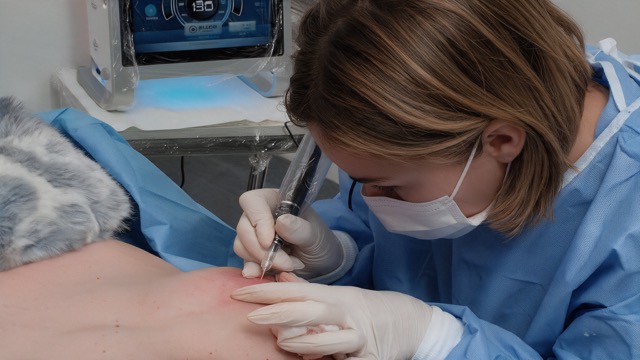
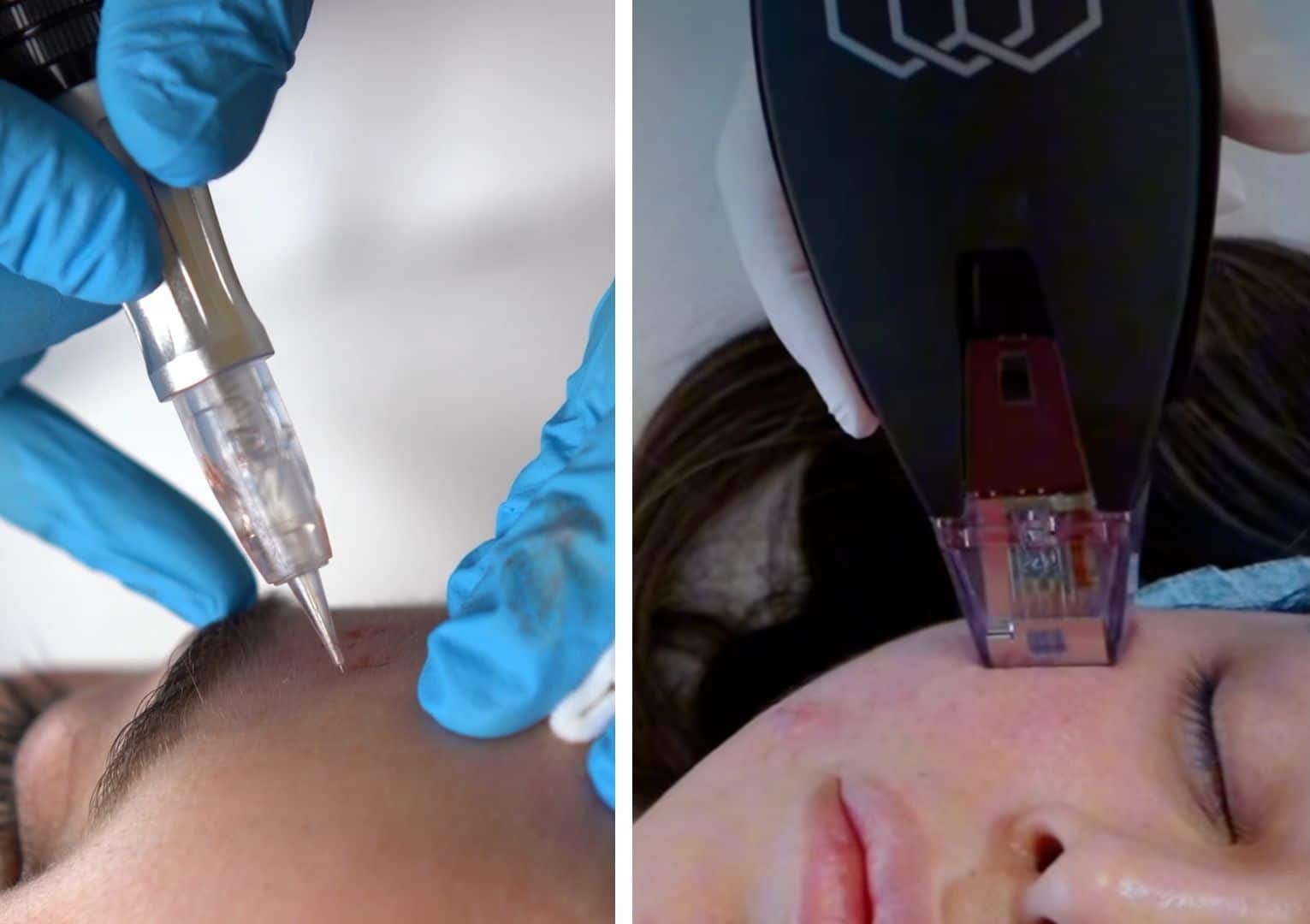
Medical microneedling uses fine, sterile needles to create controlled micro-injuries in the skin. This process activates the skin’s natural repair and regeneration mechanisms.
The biological response involves the release of growth factors and the activation of cellular pathways associated with tissue regeneration.
These mechanisms have also made microneedling an area of interest in research into hair follicle health and activity.
Is It Possible to Support Eyebrow Regrowth?
The biological processes activated by microneedling are also relevant to hair follicle research. However, the response depends on the characteristics of the treatment area and the condition of the follicles.
Eyebrow hair follicles have a different growth cycle from scalp hair follicles. In particular, their active growth phase, known as the anagen phase, is shorter.
For this reason, a medical assessment is essential to identify the causes of thinning and evaluate suitable treatment options.
Precision and Safety in Medical Microneedling
Needle depth control, cartridge selection, and an understanding of skin anatomy are essential elements of medical microneedling procedures.
Campomats’ 1NEED Pro features an adjustable needle depth system ranging from 0 to 2.5 mm. It also incorporates the patented NOFLOW® technology, designed to prevent fluid backflow.
These features allow precise control of treatment parameters within the device’s approved applications.
The eyebrow area requires particular care due to its proximity to the eyes. Therefore, any potential application must be assessed by a medical professional and comply with the device’s approved intended use.
Microneedling continues to be an important area of interest in regenerative aesthetic medicine, thanks to its ability to activate the skin’s natural repair mechanisms.
Understanding the biological processes of the skin drives the development of technologies designed to make medical microneedling increasingly precise, controlled, and safe.