Introduction
When the holidays season arrives, many people with acne-prone skin hope the sun will be a helpful ally. But is that really true? While sunlight may seem to offer a temporary break from breakouts, the truth is more complicated — and often disappointing. In the long run, sun exposure can actually make acne worse. Let’s find out why — and how to protect your skin the right way. Let’s see how summer works on acne prone skin.
The false myth that the sun “cures” acne
Many people believe the sun is a natural remedy for acne because, after sun exposure, skin often looks drier and more even. This happens mainly due to what’s known as the Sebum-suppressing effect and evened-out skin tone:
- Sebum-suppressing effect and evened-out skin tone: UV rays temporarily reduce oil production, making skin look less greasy and less acne-prone. Plus, a tan darkens the skin uniformly, helping mask redness and blemishes.
But it’s just an illusion! In the long run, sun exposure can cause:
- Rebound effect: Skin produces more oil afterward, leading to new acne breakouts.
- Skin damage: There’s a higher risk of dark spots, premature aging, and skin cancer.
The sun doesn’t cure acne. Always protect your skin and consult a dermatologist for proper treatments expecially before going to the beach on holidays!
Long-term effects of sun exposure on acne-prone skin
While sun exposure might seem to bring temporary improvements, it can actually worsen acne over time. Here’s why:
- Skin thickening and clogged pores: UV rays can cause the outer layer of the skin to thicken, making pores more prone to becoming blocked.
- Rebound effect: more sebum, more breakouts: After initial dryness, the skin may produce excess sebum to compensate, leading to new acne flare-ups.
- Worsened underlying inflammation: The sun can aggravate existing inflammation, making acne deeper and more persistent.
Sun exposure might look helpful at first, but it often makes acne worse over time.
Risk of dark spots and post-acne hyperpigmentation
For people with acne-prone skin, the sun isn’t just risky because it can trigger new breakouts — it can also leave behind stubborn marks that take months to fade. Here’s why:
- What is PIH (Post-Inflammatory Hyperpigmentation)? It’s the dark spots or patches that appear after a pimple or skin inflammation heals. Instead of leaving the skin clear, acne can leave behind brown or purplish marks, especially on medium to darker skin tones.
- Why does the sun “set” these marks on inflamed skin? UV rays stimulate extra melanin production, making existing spots darker and more persistent. On inflamed skin, pigment cells are already overactive, so sun exposure can “lock in” discoloration and make it much harder to fade.
While a tan might temporarily even out your skin tone, it’s only masking the problem — and may leave you dealing with even darker spots later on.
Acne scars and uv rays: a dangerous combination
When dealing with acne scars, many people underestimate how much sun exposure can make things worse. Here’s what you should know:
- Why can the sun worsen atrophic scars? Atrophic scars — the small depressions or “pits” left behind after severe acne — result from a loss of collagen in the skin. UV rays break down collagen and elastin fibers even further, making these scars appear deeper and more pronounced over time. Sun exposure can also cause uneven pigmentation around scars, drawing even more attention to them.
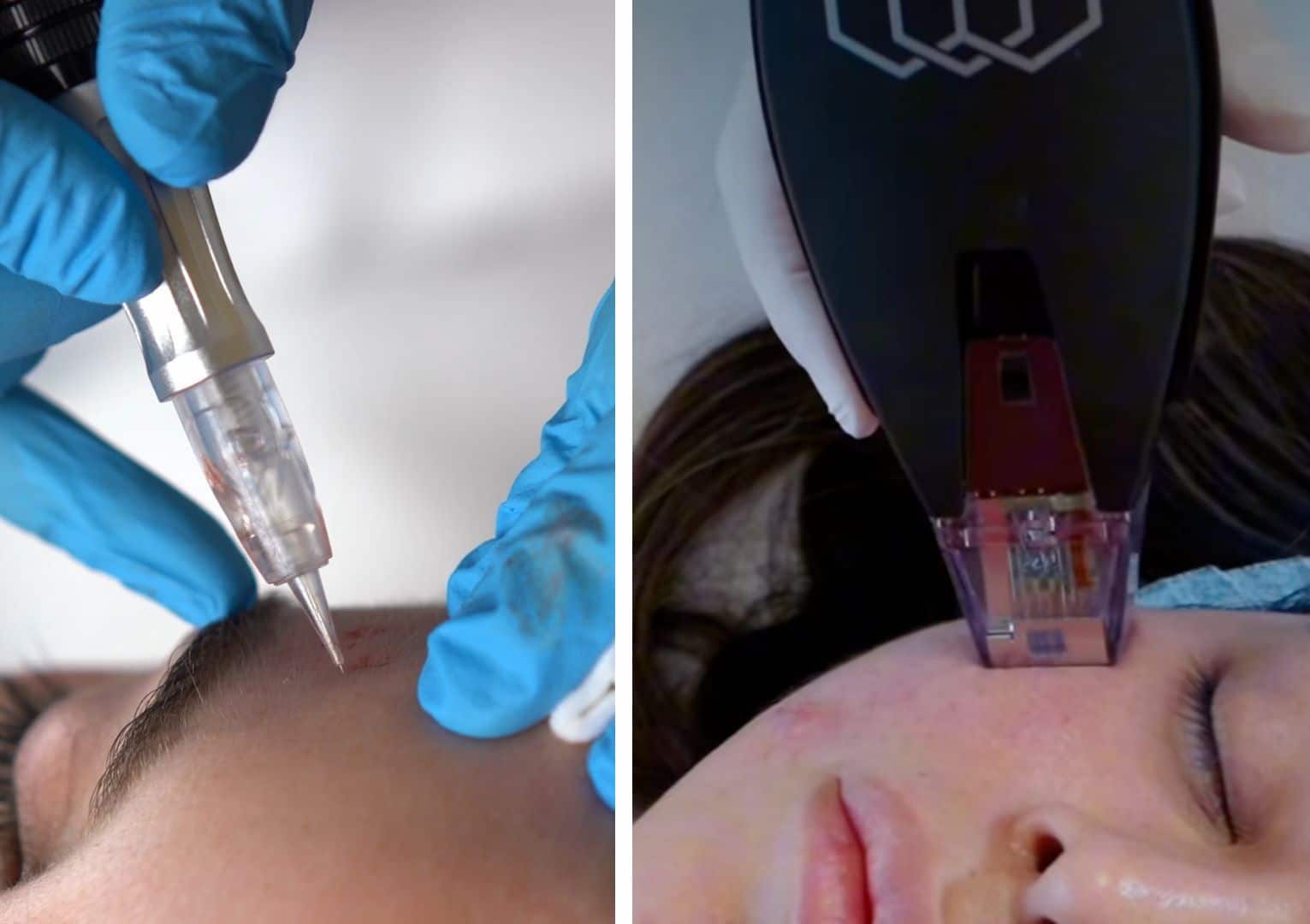
- The role of sun protection in skin regeneration treatments: Many treatments for acne scars, like chemical peels, microneedling, or laser therapy, make the skin more sensitive and prone to damage from UV rays. Without proper sun protection, results can be compromised, and the risk of hyperpigmentation increases significantly. Daily use of a broad-spectrum sunscreen is essential to help the skin heal properly and prevent further damage.
Golden rules for protecting acne-prone skin in the sun
If you struggle with acne, taking care of your skin in the sun requires extra attention. Sun protection isn’t just about preventing burns — it’s essential for keeping acne under control and avoiding long-term damage. Here’s how to do it right:
- Daily SPF 50+: Even on cloudy days, UV rays can worsen acne marks, trigger hyperpigmentation, and speed up skin aging. A broad-spectrum sunscreen with SPF 50+ helps shield acne-prone skin without clogging pores. Look for lightweight, non-comedogenic formulas.
- Avoid photosensitizing products in summer: Some acne treatments, like certain retinoids, benzoyl peroxide, or acids (e.g. AHAs, BHAs), can make skin more sensitive to sunlight, increasing the risk of burns and pigmentation. Talk to your dermatologist about pausing or adjusting your routine during summer months.
- Consider gentle, safe alternatives: If you’re avoiding aggressive treatments during sunny seasons, there are milder technologies and products available — like LED light therapy, soothing masks, and gentle exfoliants — that can help manage acne without over-sensitizing your skin.